 Living log
Gleditsia from seed
Gleditsia japonicaWikipedia ↗NaturaDB ↗
- Type
- composition
- Acquired
- 2023-04-03
- Origin
- seed
- Status
- dissolved
- Last soil
- organic 60% · pumice 20% · akadama 20% (2024-05-16)
- Soil
- organic 60% · pumice 20% · akadama 20%
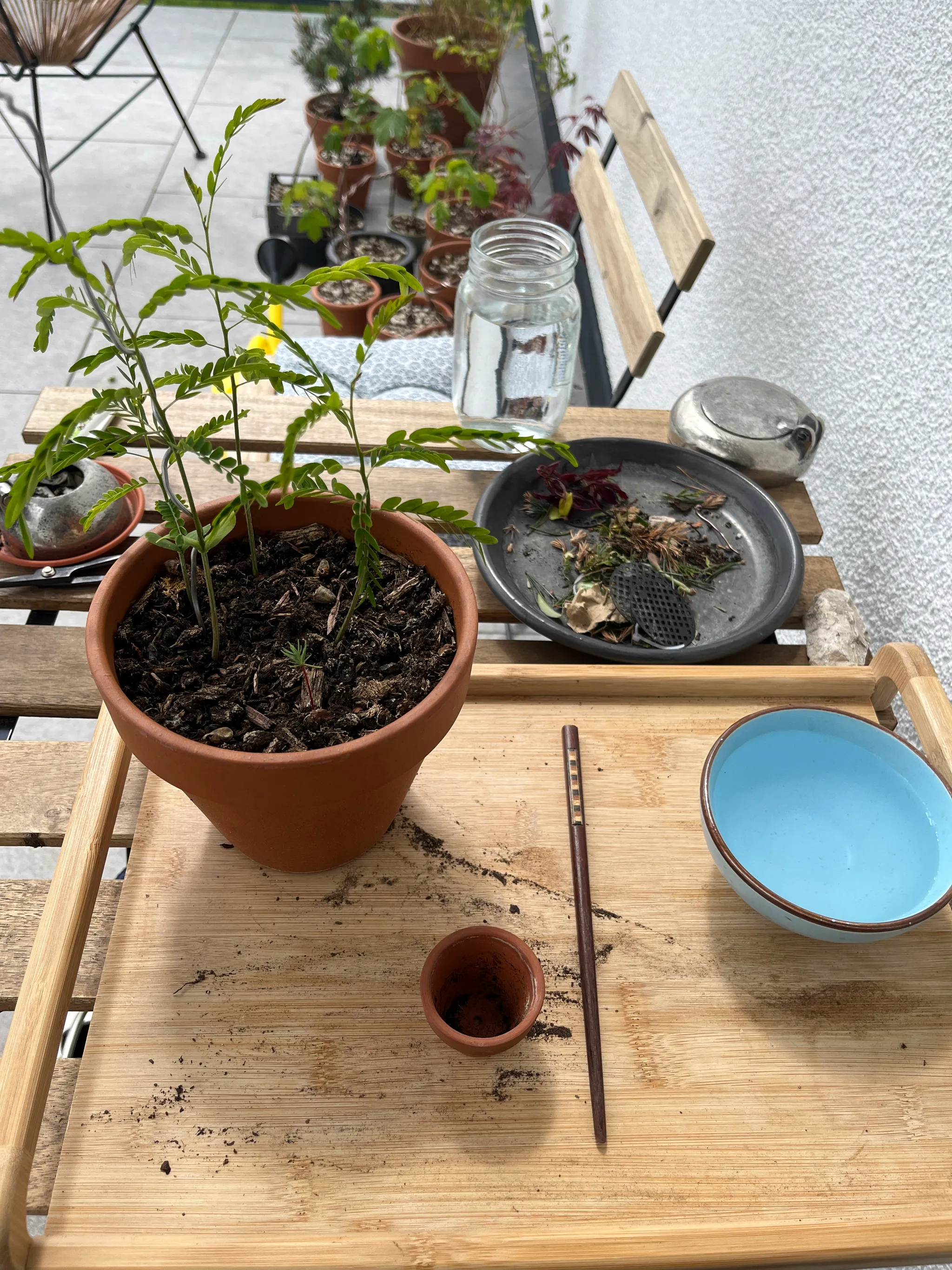
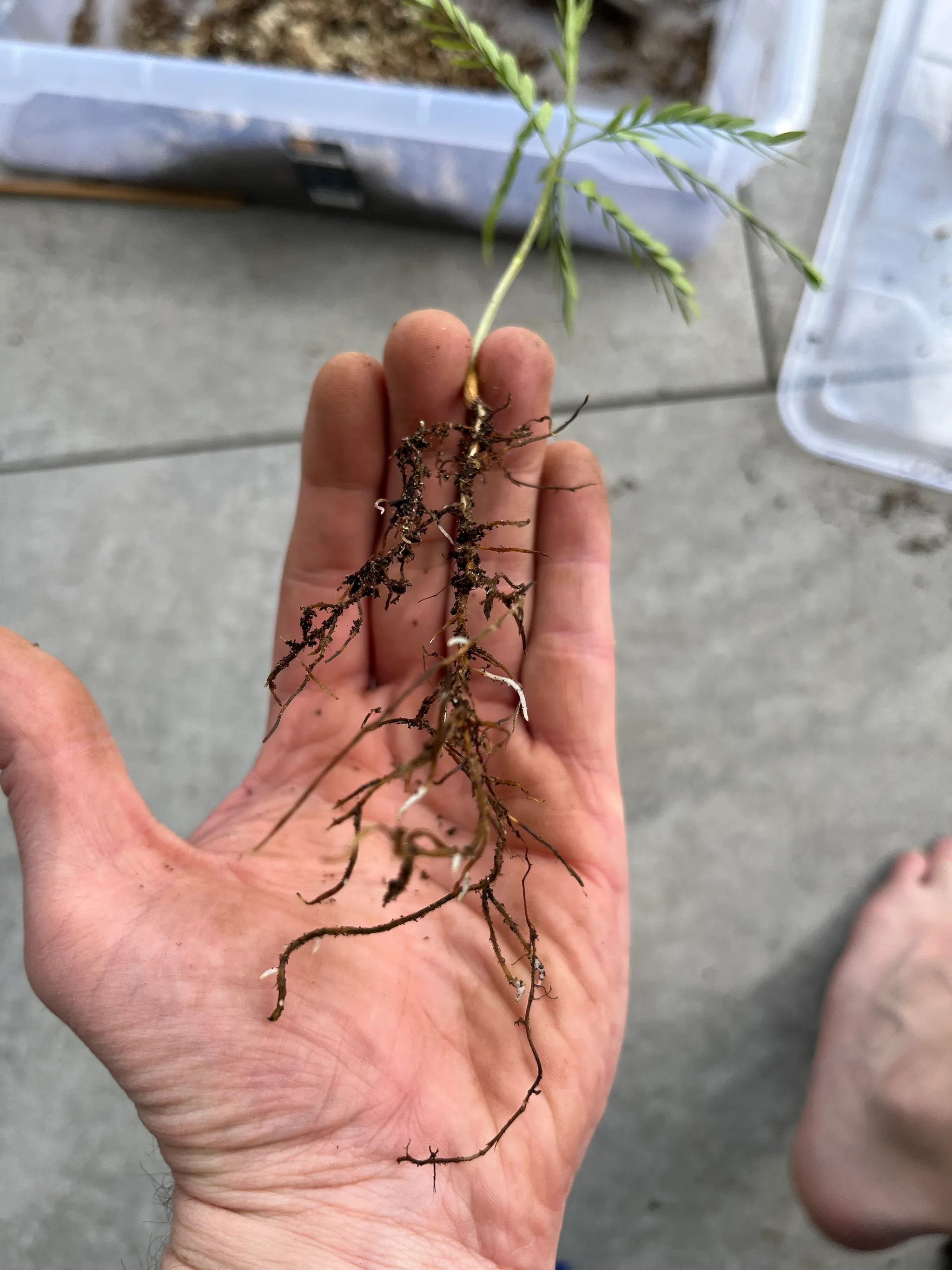
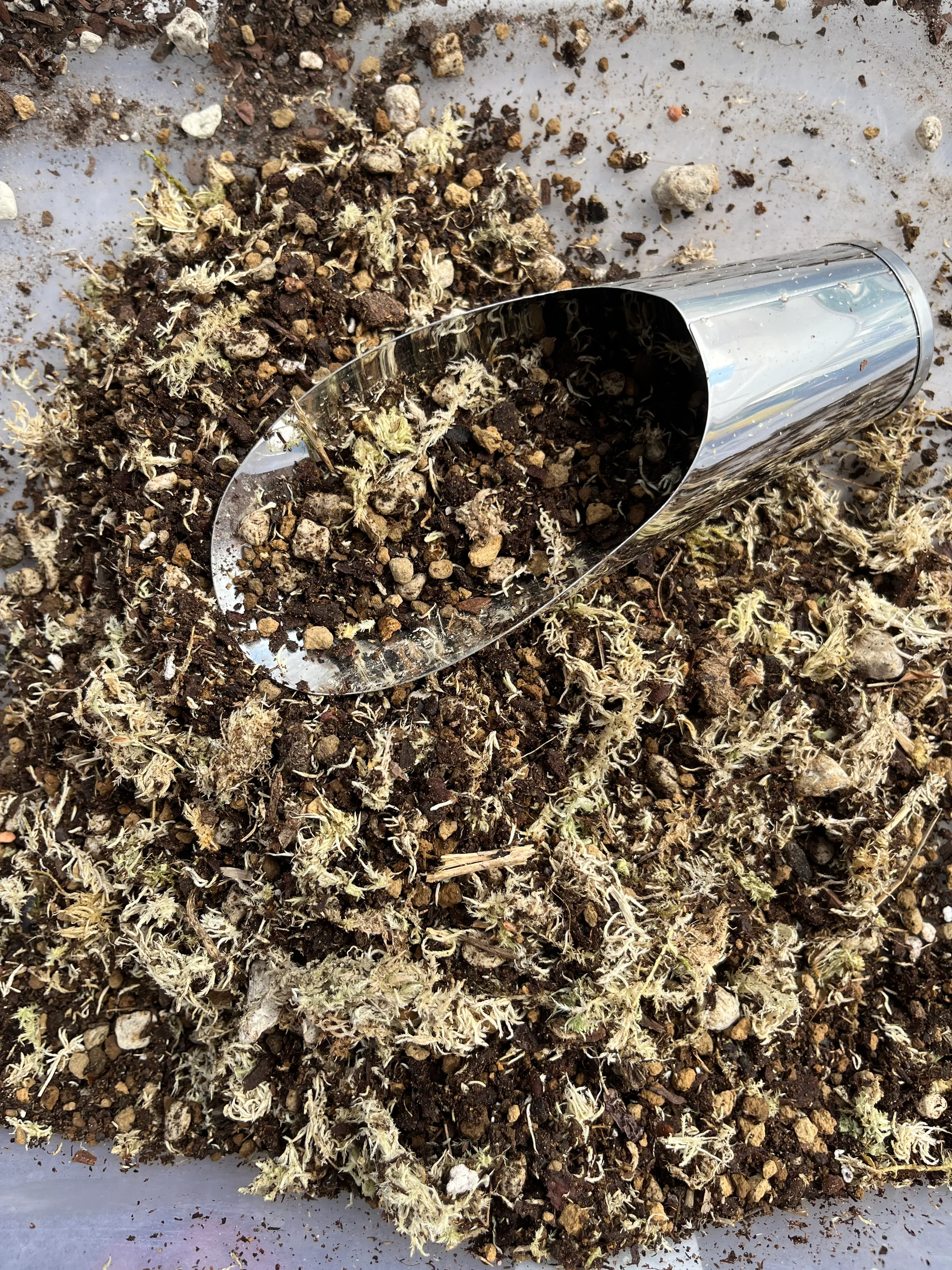
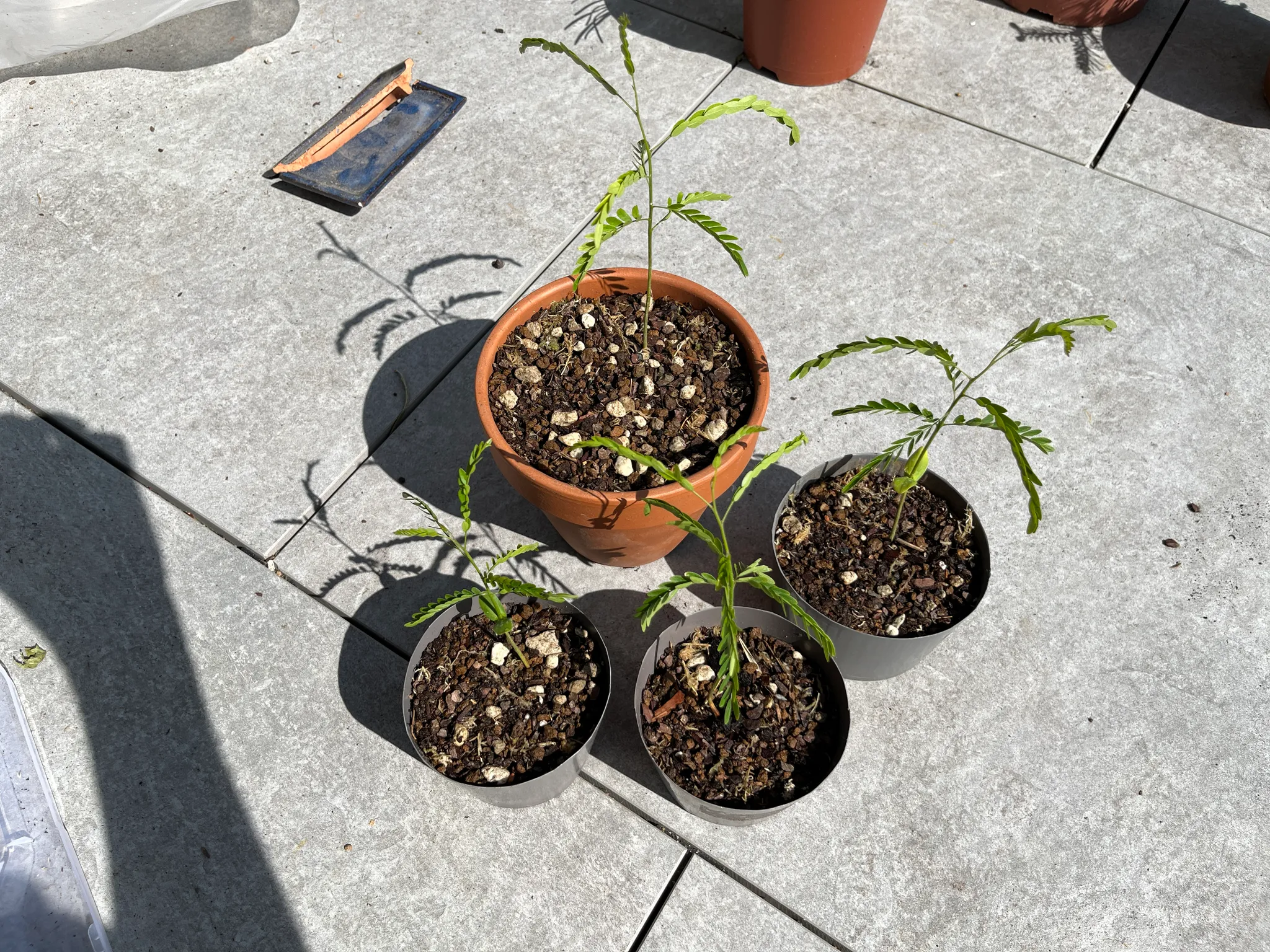
Maybe it would have been fine to wait for next year, but since it was still May I though why not seperating the plants straight away? To pot them up in their new homes, I chose to use a bit of sphagnum moss maybe it helps the roots. You can see the long-fibred strips of sphagnum moss in the image together with the other components. I used so many because I wasn’t sure what to use, so I mixed a bit of everything I had.
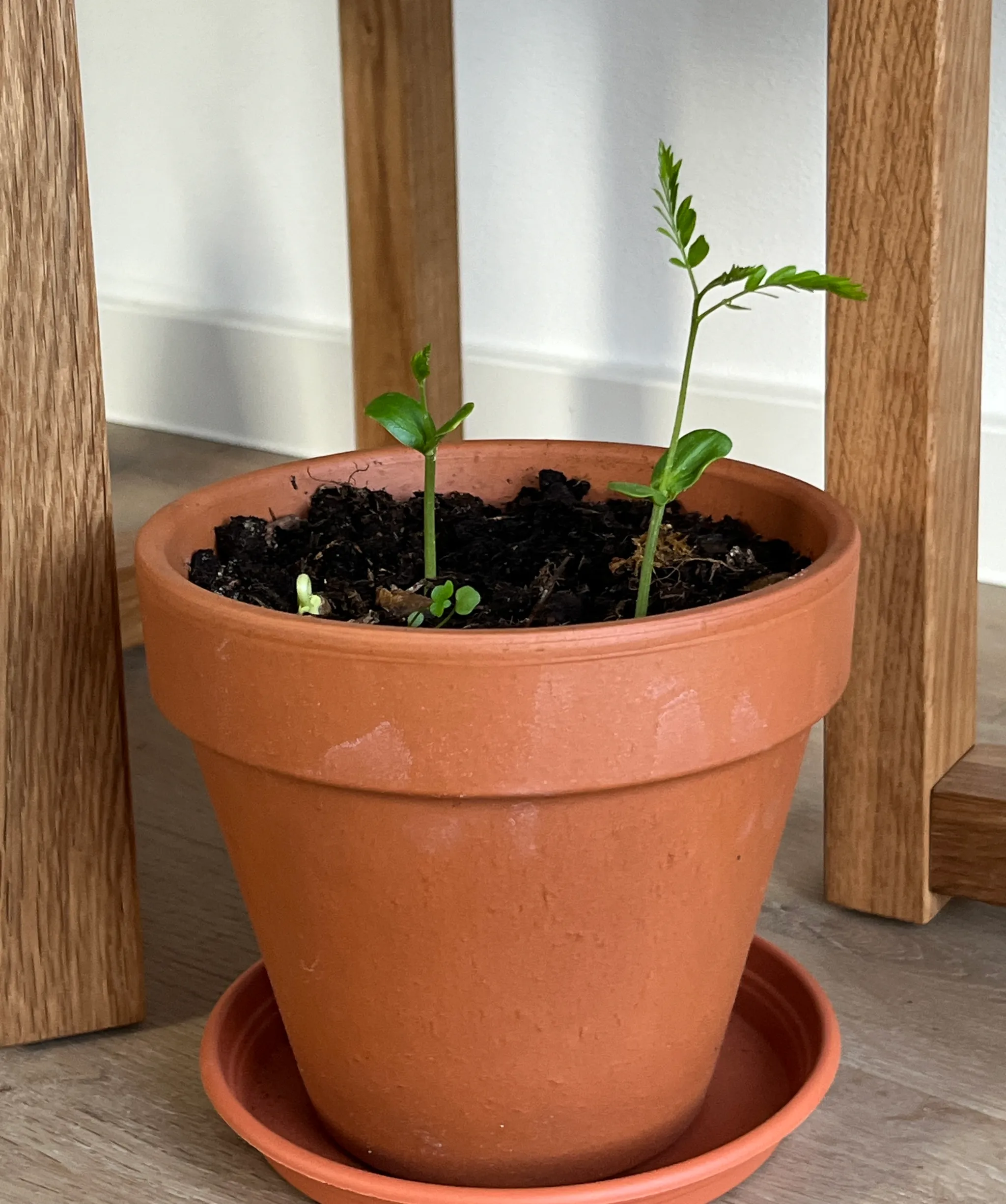
In 2023 I went on a month vacation in Sevilla. A really nice time where I lived near a central park in Sevilla named Parque de María Luisa, it’s a green oasis where I collected some seeds from a Gleditsia tree, that are planted along the streets of spain very regularly. I planed these maybe in Febuary - sadly I didn’t take a picture so I don’t really know. But around that time. Please note that this tree is foreign to Germany - although I saw a few examples planted in the streets. Not sure about the exact varity, I think it’s something like japonica because the features aligned mostly with the ones I saw planted in this park. Anyways it’s in any case not a native species in Germany so I’ll keep it in the pot and keep a close eye on it when it’s getting older.